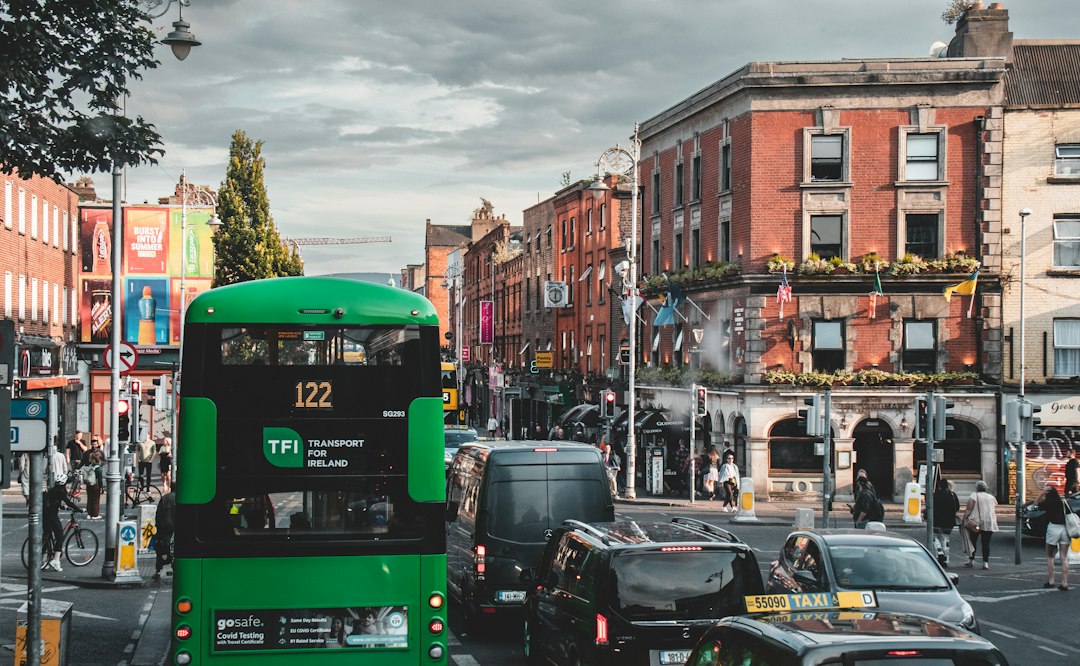
If you’ve heard that Ireland is a welcoming place, you can believe it — but the story behind that reputation runs much deeper than you might expect. Today’s Ireland is a genuinely multicultural country, and understanding how it got here can completely shift your perspective on what it means to live or study there.
From a land of emigrants to a destination for immigrants
For centuries, Ireland was known for sending people out into the world, not bringing them in. The Great Famine of the 19th century forced millions of Irish people to leave in search of survival. That collective memory of diaspora shaped the Irish identity profoundly — and perhaps explains, in part, why Irish people tend to have such genuine empathy for those who arrive on their shores.
The turning point came in the 1990s and 2000s, when Ireland experienced a remarkable economic boom. With a hot job market and real opportunities, the country began attracting people from across Europe and beyond. Today, almost 20% of Ireland’s population was born outside the country — a figure that places Ireland among the most diverse nations in Europe. This transformation is closely connected to what’s known as the Celtic Tiger era, which explains much of the modern Ireland you’ll find today.
What you’ll experience day to day
Arriving in Dublin or Cork, you notice the diversity immediately. In restaurants, on the streets, in English language schools — it’s completely normal to hear dozens of languages in a single day. Brazilians, Spanish, Italians, French, Indians, Nigerians: all living side by side, naturally and comfortably.
That mix isn’t just beautiful — it’s incredibly useful for anyone learning English. You practise the language constantly, with people from entirely different cultures, which accelerates your progress enormously. The international environment pushes you to communicate, to listen carefully, and to adapt — skills that go far beyond any classroom exercise.
A society built to welcome newcomers
Ireland has strong anti-discrimination laws and a public culture that genuinely values inclusion. Cities are set up to receive foreigners: public services in multiple languages, organised communities from various nationalities, and a rich, varied cultural scene. The Irish welfare system also plays a role in supporting people living in the country, contributing to a sense of stability and social cohesion that newcomers often find reassuring.
What this means for you in practice
If you’re considering studying abroad, Ireland’s multiculturalism is one of your biggest advantages. You won’t just learn English — you’ll learn how to communicate with the world. You’ll understand how an open society functions, make friendships that last a lifetime, and return home with a much wider view of what exists beyond your own borders.
And there’s something else worth noting: because Ireland has already been through the process of opening itself to the world, it genuinely knows how to welcome people. The Irish have a real warmth, a curious interest in where you come from — and a remarkable patience with those who are still finding their footing in the language.
Ready to take the next step? Get in touch and find out how studying in Ireland with SEDA College can transform your future.